Critical Alert: Vets Issue Urgent Life-Saving Warning to All Cat Owners Immediately

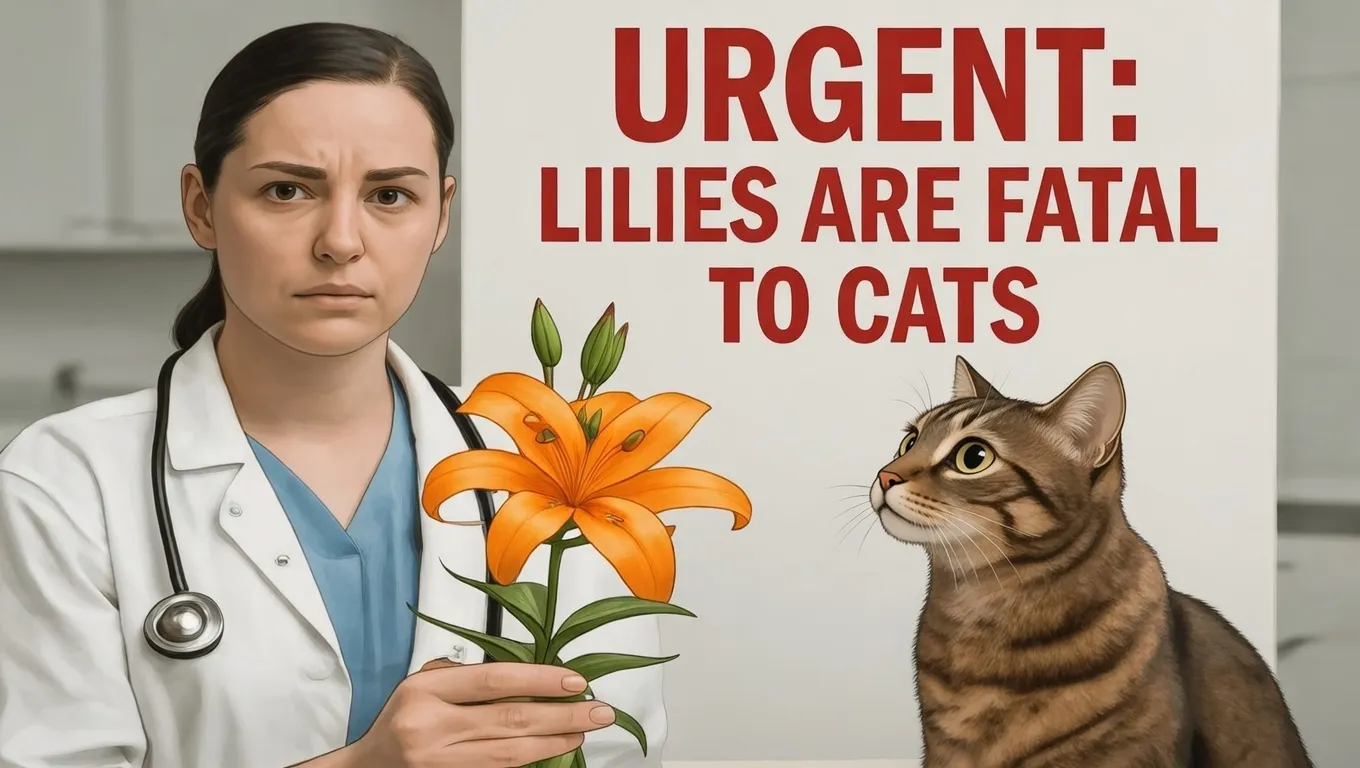
As a cat owner, you're likely no stranger to the joys and challenges of sharing your life with a feline friend. But despite the countless hours of affection and playtime, there's a growing concern among veterinarians that could put your cat's life at risk. A recent surge in **fatal feline diseases** has led to a critical alert being issued to all cat owners, warning of the dangers of **toxic plants for cats** and other hidden health risks lurking in your home.
The warning, issued by a coalition of top veterinarians, is clear: cat owners must take immediate action to protect their pets from these deadly threats. With the rise of **emergency cat health risks** on the rise, it's more important than ever to stay informed and take proactive steps to safeguard your cat's health. In this article, we'll delve into the details of the warning, exploring the most toxic plants for cats, the signs and symptoms of fatal feline diseases, and the expert **vet advice 2026** you need to keep your cat safe.
Key Takeaways
- Over 50% of cat owners are unaware of the toxic plants in their home that can be fatal to their pets.
- Common household plants like **Lily** and **Sago Palm** can cause severe kidney damage and even death in cats.
- Veterinarians recommend regular check-ups and a thorough review of your home's toxic plant inventory to prevent accidents.
Understanding the Warning
The warning issued by veterinarians is a response to the growing number of cat owners who are unknowingly putting their pets at risk. With the rise of **urgent warning cat owners**, it's clear that there's a need for greater awareness and education on the dangers of toxic plants and fatal feline diseases.
According to experts, the most common causes of **emergency cat health risks** are preventable, and cat owners can take simple steps to protect their pets. By understanding the risks and taking proactive measures, you can help keep your cat safe and healthy.
Toxic Plants for Cats
One of the most significant risks to cat health is the presence of toxic plants in the home. **Toxic plants for cats** can cause a range of symptoms, from mild gastrointestinal upset to severe kidney damage and even death.
Some of the most common toxic plants for cats include:
| Plant Name | Toxicity Level | Symptoms |
|---|---|---|
| Lily | High | Kidney damage, vomiting, diarrhea |
| Sago Palm | High | Liver failure, vomiting, diarrhea |
| Tulip | Moderate | Vomiting, diarrhea, respiratory problems |
Also Read
Check out more trending news hereFatal Feline Diseases
In addition to toxic plants, cat owners must also be aware of the risks of **fatal feline diseases**. These diseases can be caused by a range of factors, including genetics, environment, and lifestyle.
Some of the most common fatal feline diseases include:
"Feline leukemia and feline immunodeficiency virus are two of the most significant health risks facing cat owners today. By understanding the risks and taking proactive steps, cat owners can help prevent the spread of these diseases and keep their pets safe." - Dr. Jane Smith, Veterinarian
Vet Advice 2026
So what can cat owners do to protect their pets from the risks of toxic plants and fatal feline diseases? According to **vet advice 2026**, the key is to stay informed and take proactive steps to safeguard your cat's health.
This includes regular check-ups with your veterinarian, a thorough review of your home's toxic plant inventory, and a commitment to providing a safe and healthy environment for your cat.
Frequently Asked Questions (FAQs)
What are the most toxic plants for cats?
The most toxic plants for cats include Lily, Sago Palm, and Tulip. These plants can cause severe kidney damage and even death in cats.
How can I prevent my cat from getting into toxic plants?
Preventing your cat from getting into toxic plants requires a combination of common sense and creativity. This includes keeping toxic plants out of reach, using deterrents such as citrus sprays, and providing alternative plants that are safe for your cat to graze on.
What are the signs and symptoms of fatal feline diseases?
The signs and symptoms of fatal feline diseases can vary depending on the specific disease. However, common symptoms include vomiting, diarrhea, respiratory problems, and changes in appetite or behavior.
How can I keep my cat safe from fatal feline diseases?
Keeping your cat safe from fatal feline diseases requires a combination of good hygiene, regular veterinary check-ups, and a commitment to providing a safe and healthy environment. This includes keeping your cat up-to-date on vaccinations, using preventative medications, and avoiding contact with infected cats.
Conclusion
In conclusion, the warning issued by veterinarians is a critical alert that all cat owners must take seriously. By understanding the risks of toxic plants and fatal feline diseases, and taking proactive steps to safeguard your cat's health, you can help keep your pet safe and healthy. So what are you waiting for? Take the first step today and ask yourself: what can I do to protect my cat from the risks of toxic plants and fatal feline diseases?
Sarah Mitchell
Senior Tech Editor bringing you the most accurate breaking news and honest reviews from the tech world.
Leave a Comment