Early February Climate Signals: Why the Arctic is Behaving Strangely

3 Min Read
24 Feb, 2026
Early February Climate Signals: Why the Arctic is Behaving Strangely
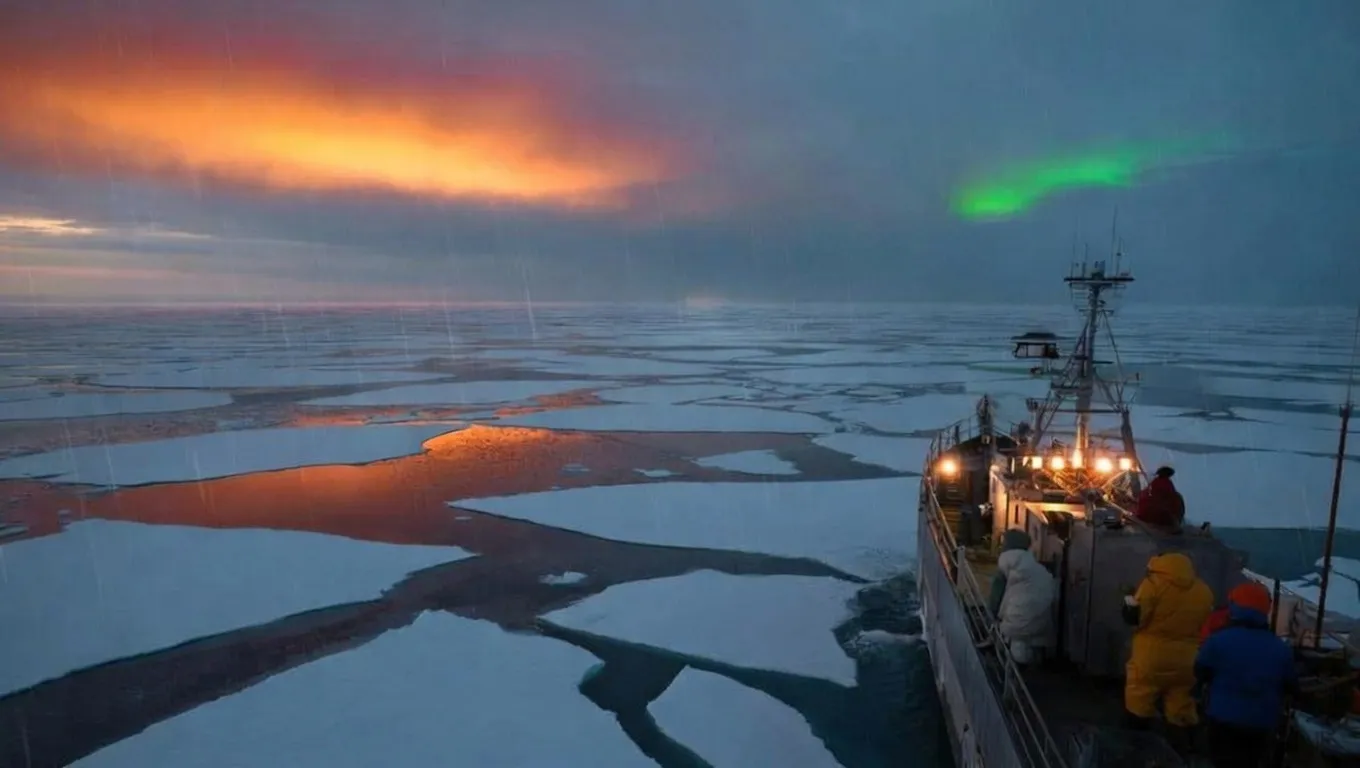
The Arctic region has been exhibiting unusual climate signals in early February, leaving scientists and researchers intrigued. The strange weather patterns have sparked concerns about the effects of global warming on the polar vortex and the resulting impact on winter weather worldwide. In this article, we will delve into the key factors contributing to these unusual climate signals and explore the implications for the environment. The February polar vortex has been particularly active, with temperatures fluctuating wildly and resulting in extreme weather conditions. The Arctic climate signals are not only affecting the region but also having a ripple effect on global weather patterns. Some of the key points to consider include:- Temperature fluctuations: The Arctic has experienced unprecedented temperature swings, with some areas recording temperatures 10-15°C higher than average.
- Sea ice melting: The Arctic sea ice cover has been declining at an alarming rate, with some areas experiencing a 50% reduction in ice cover.
- Weather pattern disruptions: The polar vortex has been disrupted, leading to unusual weather patterns and extreme weather events.
| Factor | Effect on Arctic Climate |
|---|---|
| Temperature fluctuations | Contributes to sea ice melting and disrupts weather patterns |
| Sea ice melting | Exacerbates temperature fluctuations and accelerates global warming |
| Weather pattern disruptions | Leads to extreme weather events and affects global climate patterns |
Understanding the Causes of Strange Weather Patterns
The underlying causes of these strange weather patterns are complex and multifaceted. Global warming is a significant contributing factor, as it alters the delicate balance of the Arctic ecosystem. The reduction in sea ice cover, in particular, has a profound impact on the region's climate.Implications for the Environment
Also Read
Check out more trending news hereConclusion
In conclusion, the early February climate signals in the Arctic region are a cause for concern. The strange weather patterns and temperature fluctuations are a clear indication of the profound impact of global warming on the polar vortex and the resulting effects on winter weather worldwide. As we move forward, it is essential to continue monitoring these climate signals and taking proactive measures to mitigate the effects of global warming. By understanding the underlying causes of these strange weather patterns, we can work towards developing effective solutions to protect the Arctic ecosystem and preserve the delicate balance of our planet's climate.
Sarah Mitchell
Senior Tech Editor bringing you the most accurate breaking news and honest reviews from the tech world.
Leave a Comment