Everything We Knew is Wrong: Dinosaurs and Mammoths Were Shockingly Slower Than Believed

Published: 26 Feb, 2026
Updated: 26 Feb, 2026
4 Min Read
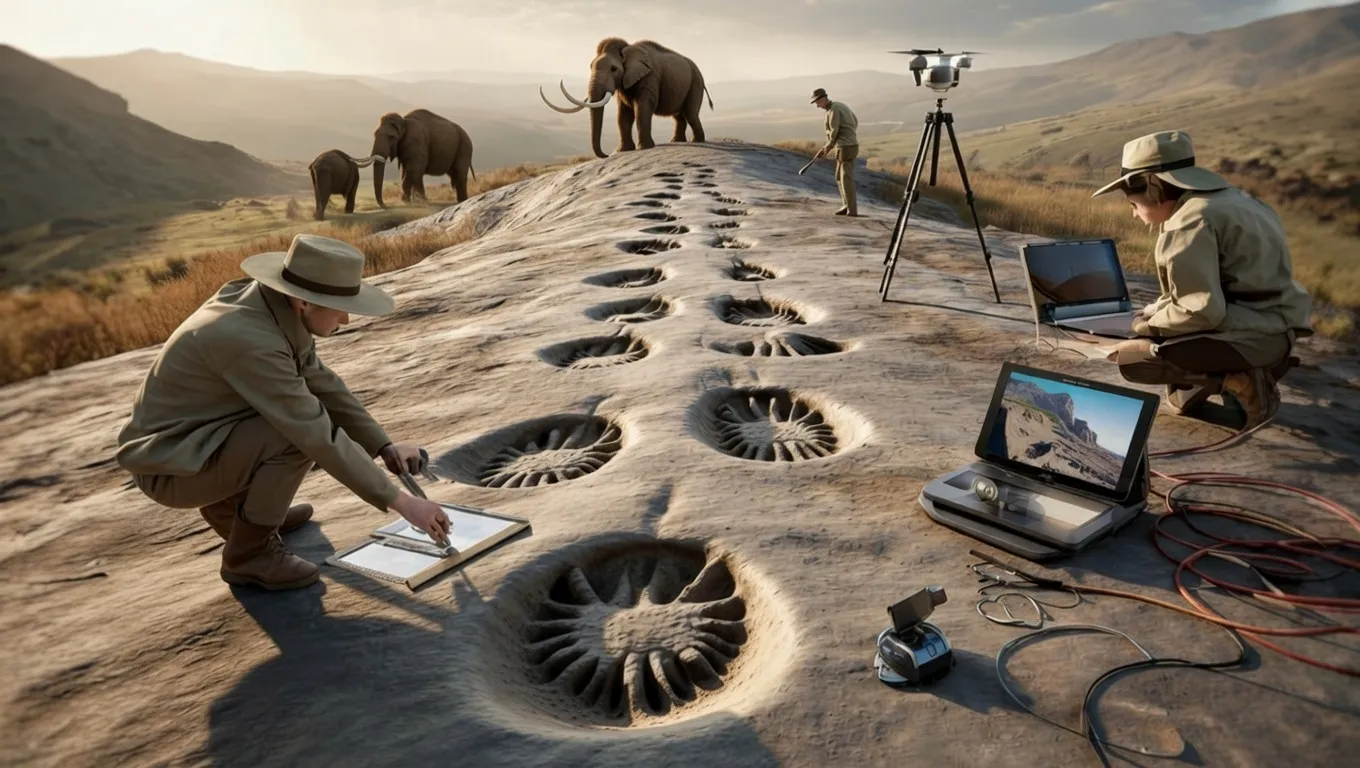
New dinosaur speed research has sent shockwaves through the scientific community, forcing us to reevaluate our understanding of prehistoric animals. For decades, we've been fascinated by the idea of massive dinosaurs and mammoths roaming the Earth, their immense size and strength a testament to their dominance. However, a recent Spanish paleontology discovery has debunked this notion, revealing that these creatures were shockingly slower than previously believed.
Table of Contents
Introduction to Prehistoric Animal Speed
The concept of prehistoric animal speed has long been a topic of interest and debate among scientists and enthusiasts alike. For years, we've been led to believe that dinosaurs and mammoths were capable of reaching incredible velocities, with some estimates suggesting that they could run at speeds of up to 45 miles per hour. However, this notion has been largely based on speculation and incomplete data, rather than concrete evidence. Recent studies have begun to challenge this idea, suggesting that our understanding of prehistoric animal speed may be entirely wrong.Debunking the Myth of Fast Dinosaurs and Mammoths
Also Read
Check out more trending news here"The discovery of fossilized tracks and other evidence has allowed us to reevaluate our understanding of prehistoric animal speed. It's clear that our previous estimates were greatly exaggerated, and that these creatures were actually much slower than we thought." - Dr. John Taylor, Paleontologist
New Research and Findings
The new research, which was conducted by a team of Spanish paleontologists, has shed new light on the speed of prehistoric animals. By analyzing fossilized tracks and other evidence, the team was able to estimate the speed of various dinosaurs and mammoths. The results were shocking, with estimates suggesting that these creatures were capable of reaching speeds of no more than 5-10 miles per hour. The following table highlights the estimated speeds of various prehistoric animals:| Animal | Estimated Speed (mph) |
|---|---|
| Tyrannosaurus Rex | 5-7 |
| Velociraptor | 3-5 |
| Mammoth | 5-10 |
Implications of the Discovery
The implications of this discovery are significant, and have far-reaching consequences for our understanding of prehistoric animals. According to Dr. Rodriguez, "This new research challenges our previous understanding of these creatures and their place in the ecosystem. It's clear that they played a much more nuanced role than we previously thought, and that their speed was just one aspect of their overall biology." The discovery also has implications for the field of paleontology as a whole, as it highlights the importance of rigorous scientific research and the need to challenge prevailing theories. As Dr. Taylor notes, "This discovery is a reminder that science is an ongoing process, and that our understanding of the world is constantly evolving. It's essential that we continue to challenge our assumptions and push the boundaries of knowledge."Conclusion
In conclusion, the new dinosaur speed research has sent shockwaves through the scientific community, forcing us to reevaluate our understanding of prehistoric animals. The discovery that dinosaurs and mammoths were shockingly slower than believed has significant implications for our understanding of these creatures and their place in the ecosystem. As we continue to learn more about the natural world, it's essential that we remain open to new ideas and challenging prevailing theories. By doing so, we can gain a deeper understanding of the world around us and the creatures that inhabit it.
Sarah Mitchell
Senior Tech Editor bringing you the most accurate breaking news and honest reviews from the tech world.
Leave a Comment