IRS Urgent Warning 2026: $160 Million Lost to Social Media Tax Scams — Are You at Risk?

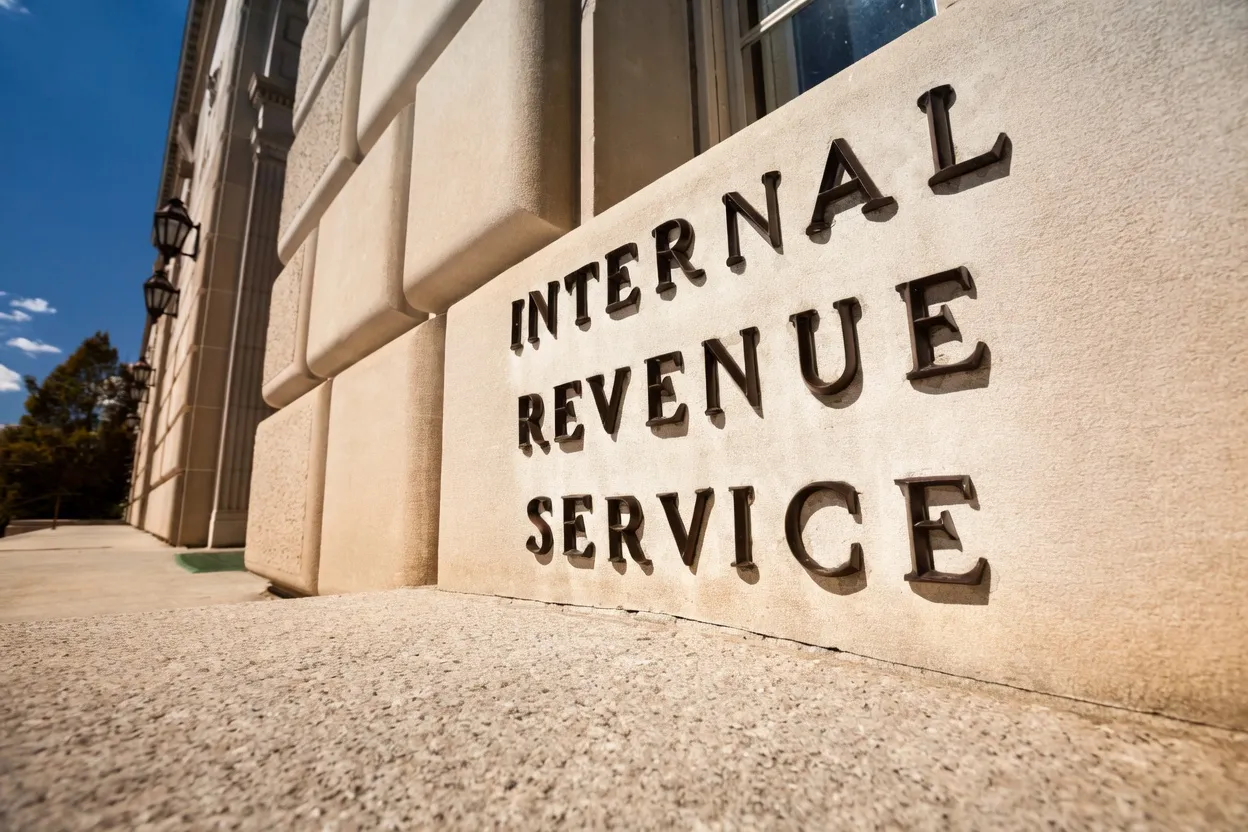
The Internal Revenue Service (IRS) has issued an urgent warning to taxpayers about the dangers of social media tax scams, which have already resulted in over $160 million in losses in 2026. The IRS warning 2026 social media tax scams alert is part of the agency's efforts to educate taxpayers about the risks of fake tax advice and scams that are circulating on platforms like TikTok, Twitter, and Facebook. As tax season 2026 comes to a close, the IRS is urging last-minute filers to be cautious of misleading tax advice online 2026 and to only seek guidance from qualified tax professionals.
Table of Contents
- Why the IRS Is Sounding the Alarm on Social Media Tax Advice in 2026
- The $160 Million Penalty Problem: What Went Wrong Last Tax Season
- IRS Dirty Dozen 2026: The Full List of Tax Scams Targeting Americans
- Common Social Media Tax Hacks That Could Land You in Serious Trouble
- Real Tax Credits Worth Thousands That Americans Are Actually Missing
- How to Spot Fake Tax Advice Online Before It Costs You Everything
- What To Do Right Now: Protect Yourself This Tax Season
Why the IRS Is Sounding the Alarm on Social Media Tax Advice in 2026
The IRS is concerned that social media platforms are being used to spread false information about tax credits and deductions, which can lead to IRS penalty $160 million social media advice and even tax audits. Some of the most common scams include the fake self-employment tax credit scam and the viral tax hacks IRS penalty, which promise unrealistic tax savings. The IRS is also warning about the dangers of TikTok tax advice IRS warning, which can be misleading and inaccurate.
According to the IRS, taxpayers who fall victim to these scams can face significant penalties and even IRS audit social media tax claims. The agency is urging taxpayers to be cautious of any tax advice that seems too good to be true and to only seek guidance from qualified tax professionals. The IRS is also reminding taxpayers that there are legitimate tax deductions Americans miss, such as the Earned Income Tax Credit, which can provide significant tax savings.
The $160 Million Penalty Problem: What Went Wrong Last Tax Season
Last tax season, the IRS reported that over $160 million was lost to social media tax scams. The agency attributes this to the rise of IRS dirty dozen 2026 scams, which include fake tax credits, deductions, and other schemes. The IRS is warning taxpayers to be aware of these scams and to only seek guidance from qualified tax professionals. The agency is also reminding taxpayers that there are real tax credits Americans miss, such as the Child Tax Credit and the Education Credit, which can provide significant tax savings.
The IRS is also warning about the dangers of ghost tax preparer warning and IRS phishing smishing scam 2026, which can lead to tax identity theft and other problems. The agency is urging taxpayers to be cautious of any tax advice that seems too good to be true and to only seek guidance from qualified tax professionals. The IRS is also reminding taxpayers that there are hidden tax credits and deductions 2026 that can provide significant tax savings.
Also Read
Check out more trending news hereIRS Dirty Dozen 2026: The Full List of Tax Scams Targeting Americans
The IRS has released its annual list of IRS dirty dozen 2026 scams, which include:
- Phishing scams: Scammers use fake emails, texts, and social media messages to trick taxpayers into revealing sensitive information.
- Ghost tax preparers: Scammers pose as tax preparers and steal taxpayer information.
- Fake tax credits: Scammers promise unrealistic tax credits and deductions.
- Overstated withholding scheme: Scammers claim that taxpayers can reduce their tax liability by overstating their withholding.
- Offer in compromise mills: Scammers promise to reduce tax debt, but charge excessive fees.
The IRS is warning taxpayers to be aware of these scams and to only seek guidance from qualified tax professionals. The agency is also reminding taxpayers that there are legitimate tax deductions Americans miss, such as the Mortgage Interest Deduction and the Charitable Contribution Deduction, which can provide significant tax savings.
Common Social Media Tax Hacks That Could Land You in Serious Trouble
Social media platforms are filled with misleading tax advice online 2026 that can lead to tax penalties and even audits. Some of the most common social media tax hacks include:
The writing off pet tax scam, which promises that taxpayers can write off their pets as dependents. The hiring children as employees tax advice, which promises that taxpayers can reduce their tax liability by hiring their children as employees. The non-cash charitable contribution scheme, which promises that taxpayers can claim charitable contributions without actually donating any money.
Taxpayers need to be aware of the risks of social media tax scams and only seek guidance from qualified tax professionals. The IRS offers free tax advice and resources on its website, and taxpayers can also seek guidance from certified public accountants (CPAs) and enrolled agents (EAs). - IRS spokesperson
Real Tax Credits Worth Thousands That Americans Are Actually Missing
While social media tax scams can be tempting, there are real tax credits Americans miss that can provide significant tax savings. Some of the most common include:
| Tax Credit | Description | Amount |
|---|---|---|
| Earned Income Tax Credit | A refundable tax credit for low-income workers | Up to $6,728 |
| Child Tax Credit | A non-refundable tax credit for families with children | Up to $2,000 per child |
| Education Credit | A non-refundable tax credit for education expenses | Up to $2,500 |
The IRS estimates that over $7 billion in Earned Income Tax Credit money goes unclaimed every year. Taxpayers can claim these credits by filing their tax returns and following the instructions on the IRS website.
Frequently Asked Questions
What is the IRS Dirty Dozen list for 2026 and which scams should I avoid?
The IRS Dirty Dozen list for 2026 includes a range of tax scams, including phishing scams, ghost tax preparers, and fake tax credits. Taxpayers should avoid any tax advice that seems too good to be true and only seek guidance from qualified tax professionals.
Can I really write off my pet or car on my taxes like social media says?
No, taxpayers cannot write off their pets or cars on their taxes. While there are some legitimate tax deductions for pet owners and car owners, these deductions are limited and subject to certain rules and restrictions.
What happens if I claim a fake tax credit — will the IRS audit me?
Yes, if taxpayers claim a fake tax credit, they may be subject to an IRS audit. The IRS takes tax fraud seriously and will investigate any suspicious tax activity. Taxpayers who are found to have claimed fake tax credits may face penalties and even criminal charges.
How much Earned Income Tax Credit money goes unclaimed every year?
The IRS estimates that over $7 billion in Earned Income Tax Credit money goes unclaimed every year. Taxpayers can claim this credit by filing their tax returns and following the instructions on the IRS website.
How do I find a qualified tax professional to review my return?
Taxpayers can find qualified tax professionals by searching online or asking for referrals from friends and family. The IRS also offers a directory of certified public accountants (CPAs) and enrolled agents (EAs) on its website.
Conclusion
In conclusion, the IRS warning 2026 social media tax scams is a serious reminder of the risks of fake tax advice and scams that are circulating on social media platforms. Taxpayers should be cautious of any tax advice that seems too good to be true and only seek guidance from qualified tax professionals. By being aware of the risks and taking steps to protect themselves, taxpayers can avoid IRS tax scam red flags and ensure that they are in compliance with all tax laws and regulations.
Sarah Mitchell
Senior Tech Editor
Tech journalist with 8+ years of experience bringing you the most accurate breaking news, unbiased reviews, and deep insights from the tech and auto world.
Leave a Comment