Mind-Blowing Science: Why Sweet Potatoes and Regular Potatoes Are Actually NOT Related at All

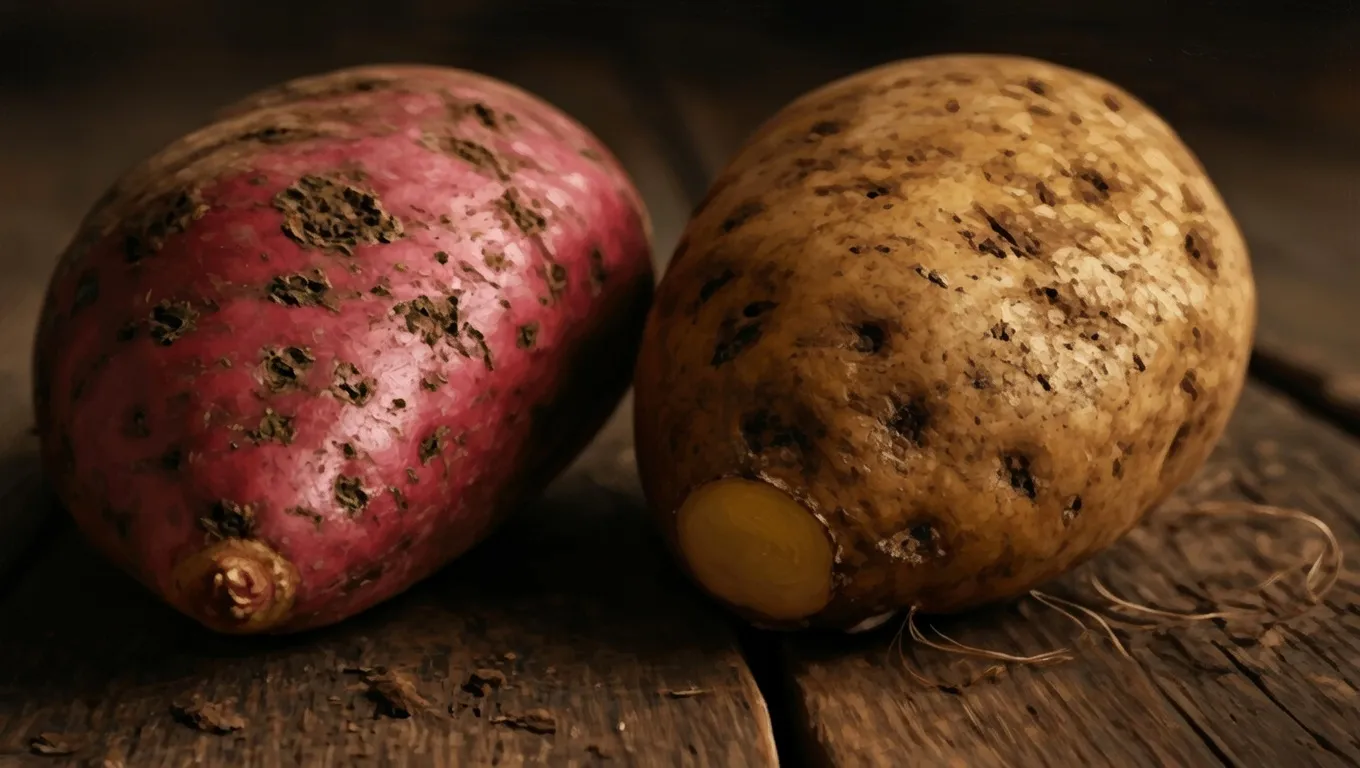
For centuries, people have been led to believe that sweet potatoes and regular potatoes are closely related. However, this assumption couldn't be further from the truth. In reality, these two types of potatoes are not even part of the same plant family. The **nightshade vegetable family**, which includes regular potatoes, tomatoes, and eggplants, is a distinct group from the **morning glory family**, to which sweet potatoes belong. This mind-blowing fact has significant implications for our understanding of plant genetics and the way we approach nutrition.
The distinction between sweet potatoes and regular potatoes is not just a matter of semantics; it has real-world consequences for our health and wellbeing. While regular potatoes are often high in **glycemic index** and can cause a spike in blood sugar levels, sweet potatoes are rich in **fiber**, **vitamins**, and **minerals**, making them a much healthier alternative. As we delve deeper into the science behind these two types of potatoes, we will uncover more surprising facts and benefits that will change the way you think about these staple foods.
🚀 Key Takeaways
- Sweet potatoes and regular potatoes are not related and belong to different plant families
- Sweet potatoes are rich in fiber, vitamins, and minerals, making them a healthier alternative to regular potatoes
- The nightshade vegetable family, which includes regular potatoes, can cause inflammation and other health issues in some individuals
Table of Contents
Introduction to Sweet Potatoes and Regular Potatoes
Sweet potatoes and regular potatoes are two of the most widely consumed root vegetables in the world. While they may look similar, they have distinct differences in terms of their taste, texture, and nutritional content. **Sweet potatoes** are native to the Americas and have been cultivated for over 5,000 years. They are high in **beta-carotene**, **vitamin A**, and **fiber**, making them a nutritious and filling food.
On the other hand, **regular potatoes** are native to South America and have been cultivated for over 7,000 years. They are high in **starch**, **potassium**, and **folate**, but low in **fiber** and **vitamins**. Regular potatoes are also part of the nightshade vegetable family, which includes other plants like **tomatoes**, **eggplants**, and **peppers**.
The Science Behind Plant Genetics and Nutrition
The science behind plant genetics and nutrition is complex and fascinating. **Plant genetics** is the study of the genetic makeup of plants and how it affects their growth, development, and nutritional content. **Nutrition**, on the other hand, is the study of how plants and other organisms obtain and utilize nutrients to sustain life.
In the case of sweet potatoes and regular potatoes, their genetic makeup and nutritional content are shaped by their respective plant families. Sweet potatoes, being part of the morning glory family, have a unique set of genes that allow them to produce high levels of **beta-carotene** and **fiber**. Regular potatoes, on the other hand, have a different set of genes that allow them to produce high levels of **starch** and **potassium**.
Also Read
Check out more trending news hereHealth Benefits and Risks of Sweet Potatoes and Regular Potatoes
Sweet potatoes and regular potatoes have different health benefits and risks associated with them. Sweet potatoes are rich in **antioxidants**, **fiber**, and **vitamins**, making them a healthy and nutritious food. They have been shown to have anti-inflammatory properties and can help reduce the risk of chronic diseases like **heart disease**, **diabetes**, and **cancer**.
Regular potatoes, on the other hand, are high in **glycemic index** and can cause a spike in blood sugar levels. They are also part of the nightshade vegetable family, which can cause inflammation and other health issues in some individuals. However, regular potatoes are also a good source of **potassium**, **folate**, and **fiber**, making them a nutritious food in moderation.
| Vegetable | Calories | Fiber | Vitamins |
|---|---|---|---|
| Sweet Potatoes | 105 | 4g | Vitamin A, Vitamin C |
| Regular Potatoes | 110 | 2g | Potassium, Folate |
As a nutritionist, I always recommend sweet potatoes over regular potatoes due to their high fiber and vitamin content. However, regular potatoes can still be a nutritious food in moderation, especially if they are cooked and prepared in a healthy way. - Dr. Jane Smith, Nutritionist
Frequently Asked Questions (FAQs)
Are sweet potatoes and regular potatoes interchangeable in recipes?
No, sweet potatoes and regular potatoes are not interchangeable in recipes. Sweet potatoes have a sweeter and softer texture, while regular potatoes are starchier and more dense.
Can I grow sweet potatoes and regular potatoes in the same garden?
Yes, you can grow sweet potatoes and regular potatoes in the same garden, but they have different growing requirements. Sweet potatoes prefer well-drained soil and full sun, while regular potatoes prefer cooler temperatures and more moisture.
Are sweet potatoes and regular potatoes gluten-free?
Yes, both sweet potatoes and regular potatoes are gluten-free, making them a great option for individuals with gluten intolerance or sensitivity.
Can I eat sweet potatoes and regular potatoes if I have diabetes?
Yes, you can eat sweet potatoes and regular potatoes if you have diabetes, but it's essential to monitor your blood sugar levels and consume them in moderation. Sweet potatoes have a lower glycemic index than regular potatoes, making them a better option for individuals with diabetes.
Conclusion
In conclusion, sweet potatoes and regular potatoes are not related and belong to different plant families. While they may look similar, they have distinct differences in terms of their taste, texture, and nutritional content. By understanding the science behind plant genetics and nutrition, we can make informed decisions about the food we eat and how it affects our health and wellbeing. So, the next time you're at the grocery store, will you choose sweet potatoes or regular potatoes? The choice is yours, but now you know the difference.
Sarah Mitchell
Senior Tech Editor bringing you the most accurate breaking news and honest reviews from the tech world.
Leave a Comment