Texas Roadhouse Backtracks on ‘100% ID’ Alcohol Policy After Pushback Over Mandated Checks for All Ages

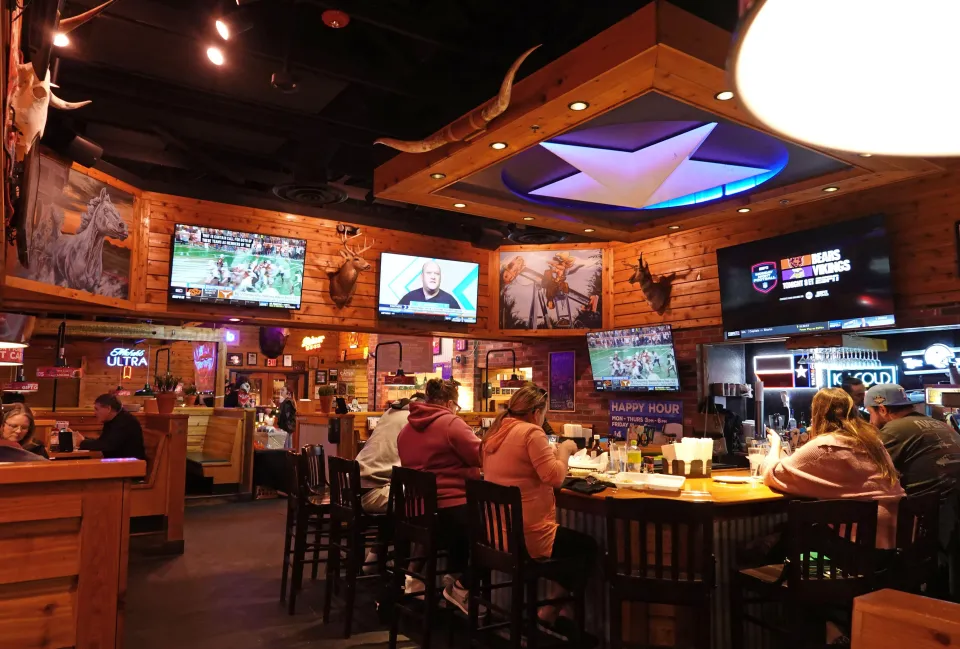
In a surprising move, Texas Roadhouse has backtracked on its "100% ID" policy for serving alcohol in Utah, following significant pushback from customers and staff. The decision comes on the heels of Utah's recent update to its alcohol ID law, which aims to prevent underage drinking while also respecting the rights of adult patrons. This reversal highlights the ongoing debate surrounding alcohol regulations in the state and the challenges faced by restaurants in complying with these laws.
Table of Contents
Key Takeaways
- Utah has updated its alcohol ID law to balance underage drinking prevention with adult patron rights.
- Texas Roadhouse initially implemented a "100% ID" policy but reversed it after customer and staff pushback.
- Restaurants in Utah must navigate complex alcohol regulations while ensuring a smooth dining experience for customers.
Introduction to Utah Alcohol ID Law Update
The Utah alcohol ID law update, part of Utah House Bill 59, aims to modernize the state's approach to alcohol sales and consumption. The law includes provisions for mandatory ID checks for all ages when serving alcohol in certain establishments but also introduces exceptions to avoid undue inconvenience to adult patrons. This update reflects a broader effort to align Utah's liquor laws with contemporary standards while addressing concerns about underage drinking.
Key Changes in Utah's Alcohol ID Policy
Also Read
Check out more trending news hereThe key changes in Utah's alcohol ID policy focus on striking a balance between preventing underage drinking and respecting the rights of adult patrons. For instance, establishments with full liquor licenses are required to check IDs, but there are exceptions for beer-only licensed premises under certain conditions. This nuanced approach is designed to reduce the burden on businesses and customers alike while maintaining public safety.
Utah's updated alcohol ID law is a step towards creating a more customer-friendly dining experience while still prioritizing the prevention of underage drinking. It's about finding that delicate balance that works for everyone involved.
Utah ID Check Requirements
Restaurants and bars in Utah must now adhere to specific ID check requirements, which vary depending on the type of liquor license they hold. For full liquor licenses, ID checks are mandatory for all patrons, regardless of age, when alcohol is served. However, beer-only licensed establishments may have different rules, reflecting the state's effort to simplify regulations for certain types of businesses.
| Type of Liquor License | ID Check Requirement |
|---|---|
| Full Liquor License | Mandatory ID checks for all patrons |
| Beer-Only License | ID checks may not be required under certain conditions |
Texas Roadhouse Policy Reversal and Its Implications
Texas Roadhouse's decision to backtrack on its "100% ID" policy is significant, as it shows how customer feedback and operational challenges can influence a restaurant's approach to alcohol service. Initially, the policy was intended to comply with Utah's updated ID law, but after encountering resistance from both customers and staff, the restaurant chain opted to revise its approach. This reversal underscores the importance of flexibility and customer-centricity in the face of changing regulations.
Impact on Utah Restaurant Industry
The implications of Texas Roadhouse's policy reversal extend beyond the company itself, influencing the broader Utah restaurant industry. As establishments navigate the updated alcohol ID law, they must consider not only compliance but also customer experience and operational efficiency. The ability to adapt policies in response to feedback can be crucial for restaurants seeking to maintain a positive reputation and ensure a smooth dining experience for all patrons.
Conclusion
In conclusion, the recent update to Utah's alcohol ID law and Texas Roadhouse's policy reversal highlight the complex and evolving nature of alcohol regulations in the state. As restaurants and bars work to comply with these changes, they must balance the need to prevent underage drinking with the importance of providing a welcoming and efficient experience for adult patrons. By understanding the key changes in Utah's alcohol ID policy and the implications of these changes for the restaurant industry, establishments can better navigate this landscape and thrive in a regulatory environment that prioritizes both public safety and customer satisfaction.
Sarah Mitchell
Senior Tech Editor
Tech journalist with 8+ years of experience bringing you the most accurate breaking news, unbiased reviews, and deep insights from the tech and auto world.
Leave a Comment