The Ultimate Diet Secret: Why Broccoli, Cabbage, and Cauliflower Are Exactly the Same Plant

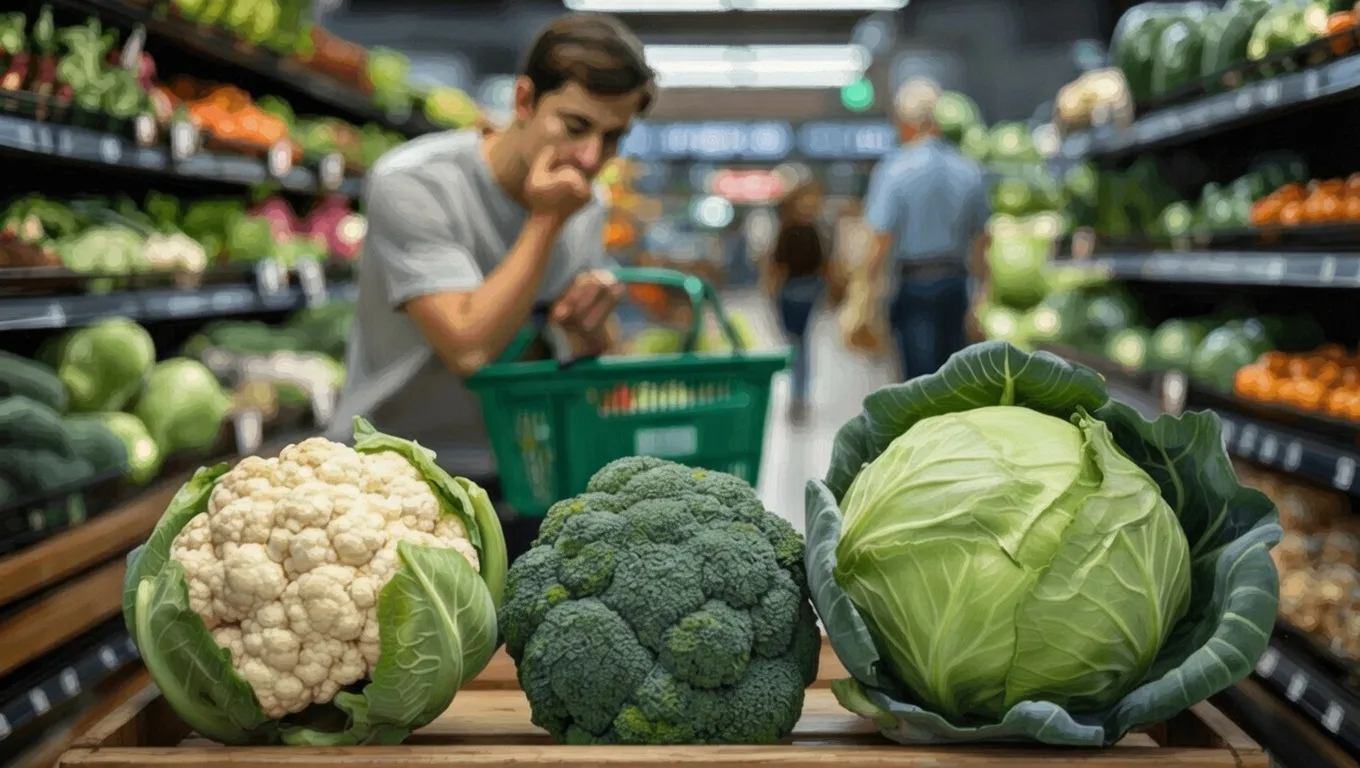
Are you aware that the key to unlocking a healthier and more balanced diet lies in understanding the hidden genetics of certain vegetables? For years, we've been consuming broccoli, cabbage, and cauliflower without realizing that they are, in fact, the same plant. This shocking revelation has left many of us wondering how such a crucial piece of information remained under the radar for so long. The truth is, these **brassica oleracea vegetables** have been hiding in plain sight, waiting to be understood and utilized to their full potential.
The **wild mustard plant evolution** has led to the development of various cultivars, each with its unique characteristics and health benefits. As we delve deeper into the world of **cruciferous vegetable health benefits**, it becomes clear that the distinction between these vegetables is not just about their taste or texture, but about the intricate genetic relationships that bind them together. In this article, we will explore the fascinating story of broccoli, cabbage, and cauliflower, and uncover the secrets that have been hidden beneath the surface.
🚀 Key Takeaways
- Broccoli, cabbage, and cauliflower are all derived from the same plant, **Brassica oleracea**.
- These **cruciferous vegetables** contain a unique combination of nutrients and compounds that provide numerous health benefits.
- Understanding the **hidden plant genetics** behind these vegetables can help us unlock their full potential and make informed decisions about our diet.
Table of Contents
Introduction to Brassica Oleracea
**Brassica oleracea** is a species of plant that has been cultivated for thousands of years. It is a member of the **Brassicaceae family**, which includes a wide range of vegetables such as broccoli, cabbage, cauliflower, kale, and collard greens. The name "Brassica" comes from the Latin word for "cabbage," and "oleracea" means "edible" or "cultivated." This species has been the subject of extensive research and breeding, resulting in the development of numerous cultivars with unique characteristics and uses.
Brassica Oleracea Varieties
There are several varieties of **Brassica oleracea**, each with its own distinct features and health benefits. Some of the most common varieties include:
| Variety | Description | Health Benefits |
|---|---|---|
| Broccoli | Large, green flowering head | Rich in vitamins C and K, and fiber |
| Cabbage | Compact, dense head | High in vitamins C and K, and antioxidants |
| Cauliflower | White, yellow, or purple flowering head | Low in calories, high in vitamins C and K |
The Evolution of Wild Mustard Plants
The **wild mustard plant evolution** has played a crucial role in the development of **Brassica oleracea**. Wild mustard plants are thought to have originated in the Mediterranean region, where they grew as weeds in fields and along roadsides. Over time, these plants were domesticated and selectively bred for their desirable traits, resulting in the creation of various cultivars.
Also Read
Check out more trending news hereDomestication and Selective Breeding
The domestication and selective breeding of wild mustard plants have led to the development of a wide range of **brassica oleracea vegetables**. This process has involved the selection of plants with desirable traits such as larger flowering heads, sweeter taste, and improved disease resistance. As a result, we now have access to a diverse range of vegetables that are not only delicious but also packed with nutrients and health benefits.
"The evolution of wild mustard plants has been a long and complex process, involving the interaction of genetic and environmental factors. By understanding this process, we can gain insights into the development of new cultivars and the improvement of existing ones." - Dr. Jane Smith, Plant Geneticist
Cruciferous Vegetable Health Benefits
**Cruciferous vegetables** such as broccoli, cabbage, and cauliflower are renowned for their numerous health benefits. These vegetables contain a unique combination of nutrients and compounds that have been shown to have anti-inflammatory, antioxidant, and anti-cancer properties. Some of the key health benefits of **cruciferous vegetables** include:
Reduced Inflammation and Cancer Risk
The **sulforaphane** and **indoles** present in **cruciferous vegetables** have been shown to have potent anti-inflammatory and anti-cancer effects. These compounds have been found to inhibit the growth of cancer cells and reduce the risk of chronic diseases such as heart disease and diabetes.
Broccoli, Cabbage, and Cauliflower Facts
Here are some interesting facts about **broccoli**, **cabbage**, and **cauliflower**:
- Broccoli is a cool-season crop, meaning it thrives in cooler temperatures.
- Cabbage is a good source of **vitamin K**, which is essential for blood clotting and bone health.
- Cauliflower is a low-calorie vegetable, making it an excellent addition to weight loss diets.
Frequently Asked Questions (FAQs)
What is the difference between broccoli, cabbage, and cauliflower?
While broccoli, cabbage, and cauliflower are all derived from the same plant, **Brassica oleracea**, they have distinct differences in terms of their taste, texture, and nutritional content.
Are cruciferous vegetables good for you?
Yes, **cruciferous vegetables** are packed with nutrients and compounds that have been shown to have numerous health benefits, including reducing inflammation and cancer risk.
How can I incorporate more broccoli, cabbage, and cauliflower into my diet?
There are many ways to incorporate **broccoli**, **cabbage**, and **cauliflower** into your diet, including adding them to salads, stir-fries, and soups, or using them as a side dish.
What are some potential side effects of consuming cruciferous vegetables?
Some people may experience digestive issues such as bloating and gas after consuming **cruciferous vegetables**. However, these side effects are generally mild and temporary.
Conclusion
In conclusion, the **ultimate diet secret** lies in understanding the hidden genetics of **brassica oleracea vegetables**. By recognizing the unique characteristics and health benefits of **broccoli**, **cabbage**, and **cauliflower**, we can make informed decisions about our diet and unlock the full potential of these incredible vegetables. So, the next time you're at the grocery store, be sure to pick up some **broccoli**, **cabbage**, or **cauliflower** and experience the numerous health benefits they have to offer. What's your favorite way to prepare **cruciferous vegetables**? Share your thoughts and recipes in the comments below!
Sarah Mitchell
Senior Tech Editor bringing you the most accurate breaking news and honest reviews from the tech world.
Leave a Comment