The World’s Longest Underwater High-Speed Train Revealed: Linking Two Continents Beneath the Sea

Published: 26 Feb, 2026
Updated: 26 Feb, 2026
4 Min Read
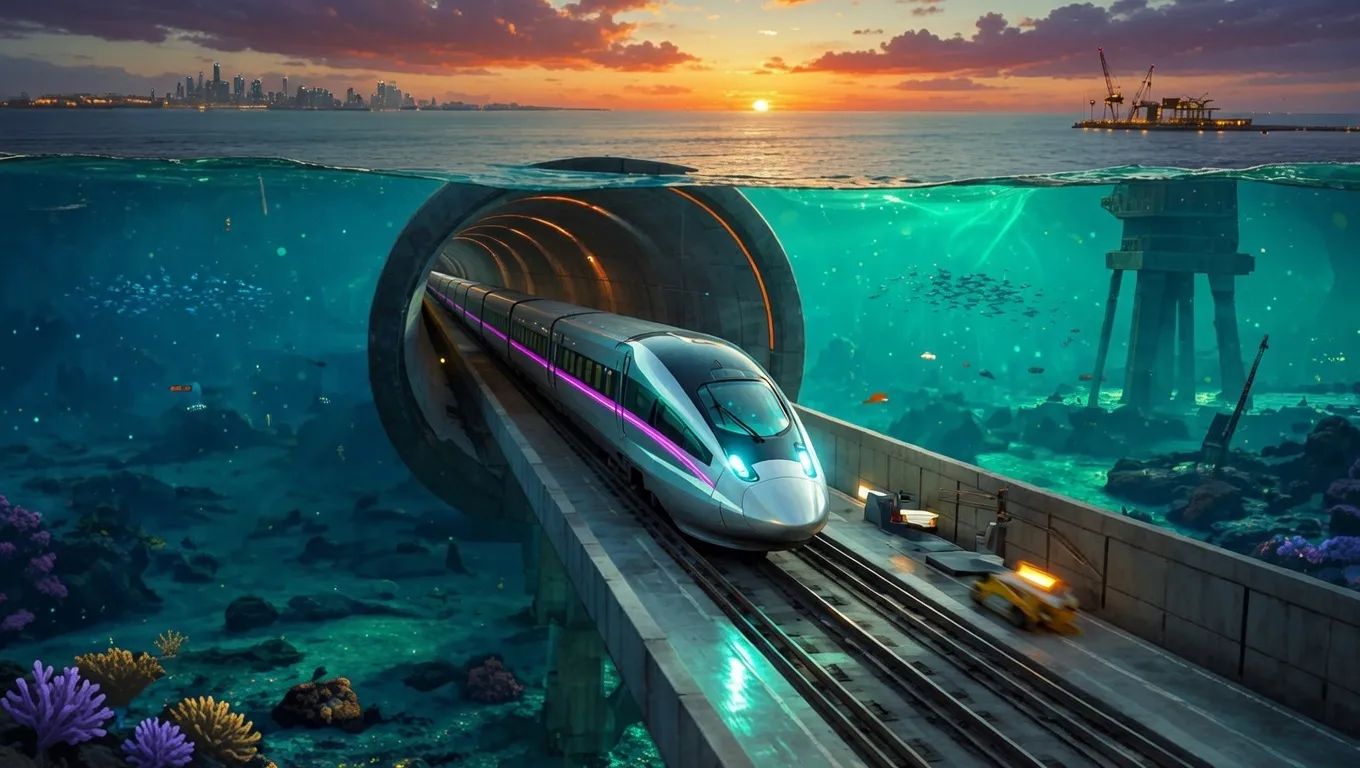
The world of transportation is on the cusp of a revolution, with the unveiling of the longest underwater high-speed train. This mega engineering project aims to connect two continents, bridging the gap between Europe and Africa, and transforming the way we travel. The underwater high-speed train is set to redefine the future of high-speed transit, making it faster, more efficient, and environmentally friendly. In this article, we will delve into the details of this ambitious project, exploring its features, benefits, and the impact it will have on the world.
Table of Contents
Introduction to the Underwater High-Speed Train
The underwater high-speed train is a groundbreaking project that will connect the European continent to the African continent, spanning over 3,000 kilometers. This intercontinental underwater railway will enable passengers to travel at speeds of up to 300 kilometers per hour, reducing travel time between the two continents to just a few hours. The train will be equipped with state-of-the-art technology, including advanced propulsion systems, comfortable seating, and cutting-edge safety features.The Intercontinental Underwater Railway
Also Read
Check out more trending news hereAccording to Dr. Maria Rodriguez, a leading expert in transportation engineering, "The underwater high-speed train is a game-changer for the transportation industry. It will not only reduce travel time and increase efficiency but also provide a sustainable and environmentally friendly alternative to traditional modes of transportation."
Technical Specifications
| Specification | Value |
|---|---|
| Length | 3,000 km |
| Speed | Up to 300 km/h |
| Tunnel Depth | Approximately 200 meters |
| Tunnel Diameter | 10 meters |
Mega Engineering Projects and Challenges
The construction of the underwater high-speed train is a complex and challenging task, requiring the expertise of thousands of engineers, architects, and technicians. The project involves the excavation of a 3,000-kilometer tunnel, the construction of the train itself, and the installation of advanced life support systems. The project also poses significant environmental challenges, including the impact on marine life and the potential for pollution.Environmental Impact
The underwater high-speed train is designed to minimize environmental impact, with advanced systems for reducing noise pollution, protecting marine life, and preventing pollution. The train will also be equipped with advanced waste management systems, ensuring that all waste is disposed of in an environmentally responsible manner.Future of High-Speed Transit
The underwater high-speed train is just the beginning of a new era in high-speed transit. With the development of advanced technologies, including magnetic levitation and vacuum tube transportation, the future of transportation is set to become faster, more efficient, and more sustainable. The underwater high-speed train will pave the way for the development of new transportation systems, connecting continents and transforming the way we travel.Conclusion
The world's longest underwater high-speed train is a revolutionary project that will transform the way we travel. With its advanced technology, sustainable design, and minimal environmental impact, this mega engineering project is set to redefine the future of high-speed transit. As we look to the future, it is clear that the underwater high-speed train is just the beginning of a new era in transportation, one that will connect continents, reduce travel time, and provide a sustainable alternative to traditional modes of transportation.
Sarah Mitchell
Senior Tech Editor bringing you the most accurate breaking news and honest reviews from the tech world.
Leave a Comment