Trump casts doubt on Iran peace deal and says Tehran has not paid a big enough price

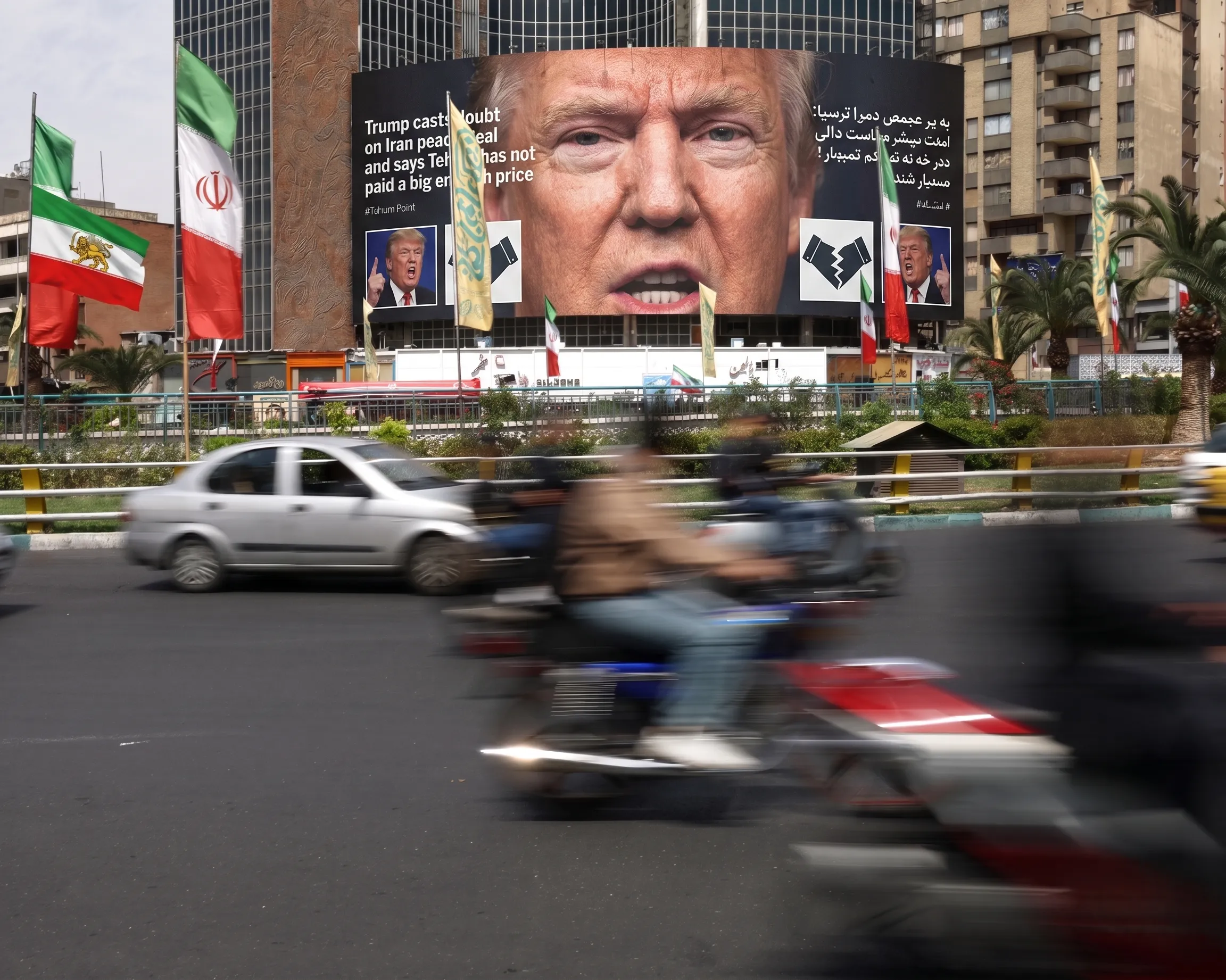
A sense of unease is settling over the fragile peace process between the US and Iran, as former President Donald Trump casts doubt on the Iran peace deal. The deal, which was negotiated in 2025, aimed to curb Iran's nuclear program in exchange for relief from economic sanctions. But that's not the full picture. The latest development has significant implications for the region and the world.
The timing of Trump's remarks is particularly noteworthy, coming at a moment when the international community is watching the US-Iran negotiations with bated breath. The question on everyone's mind is: what does this mean for the future of the Iran nuclear deal? Here's what changed: the dynamics of the negotiation have shifted, and the stakes are higher than ever.
Table of Contents
What Trump Said About the Iran Deal
Trump's comments on the Iran deal have sparked a heated debate about the terms of the agreement. He argued that Tehran has not paid a big enough price for its past actions, implying that the deal is too lenient. The numbers say otherwise, with many experts pointing out that the deal has already led to significant concessions from Iran. But Trump's remarks have raised concerns that the US may be backing away from its commitments.
The implications of Trump's statement are far-reaching. If the US is seen as an unreliable partner, it could undermine the trust that is essential for any successful negotiation. That's where it gets complicated: the US needs to balance its own interests with the need to build trust with its partners. What does this mean in practice? It means that the US needs to be careful not to undermine the progress that has been made so far.
Why Trump Says Tehran Has Not Paid Enough
Trump's argument is that Iran has not been held accountable for its past actions, including its support for militant groups in the region. He believes that the deal does not do enough to address these concerns, and that Iran should be forced to pay a higher price for its transgressions. But others argue that the deal is a significant step forward, and that it provides a framework for addressing these issues in the future.
The issue is complex, with many different factors at play. On the one hand, the deal has already led to significant concessions from Iran, including the suspension of its nuclear program. On the other hand, there are still many concerns about Iran's behavior in the region, and the deal does not address all of these issues. Here's what's at stake: the future of the Middle East, and the stability of the global economy.
The situation is further complicated by the fact that Iran has already begun to feel the benefits of the deal, including the lifting of economic sanctions. If the US is seen as backing away from its commitments, it could undermine the trust that is essential for the deal's success. What's next? The international community will be watching closely to see how the situation develops.
Where US-Iran Nuclear Talks Stand Right Now
The US-Iran nuclear talks are at a critical juncture, with significant progress having been made in recent months. The talks have been facilitated by the European Union, which has played a key role in bringing the two sides together. But despite the progress that has been made, there are still many challenges to overcome. The issue of Iran's nuclear program remains a major sticking point, with the US insisting that Iran must suspend its program in exchange for relief from economic sanctions.
The numbers are telling: the deal has already led to significant concessions from Iran, including the suspension of its nuclear program. But there are still many concerns about Iran's behavior in the region, and the deal does not address all of these issues. That's where it gets complicated: the US needs to balance its own interests with the need to build trust with its partners. What does this mean in practice? It means that the US needs to be careful not to undermine the progress that has been made so far.
The situation is further complicated by the fact that there are many different players involved, each with their own interests and agendas. The European Union, for example, has played a key role in facilitating the talks, while countries such as Russia and China have their own interests in the region. What's next? The international community will be watching closely to see how the situation develops.
Also Read
More Latest News stories →Key Takeaways
- Trump's remarks on the Iran deal have sparked concerns about the future of the agreement.
- The deal has already led to significant concessions from Iran, including the suspension of its nuclear program.
- The US needs to balance its own interests with the need to build trust with its partners.
Frequently Asked Questions
What did Trump say about the Iran peace deal?
Trump cast doubt on the Iran peace deal, arguing that Tehran has not paid a big enough price for its past actions. He implied that the deal is too lenient and that Iran should be forced to pay a higher price for its transgressions.
Why is Trump casting doubt on the Iran nuclear deal?
Trump is casting doubt on the Iran nuclear deal because he believes that it does not do enough to address concerns about Iran's behavior in the region. He argues that Iran has not been held accountable for its past actions, and that the deal does not provide a sufficient framework for addressing these issues in the future.
Has Iran responded to Trump's latest warning?
Iran has responded to Trump's remarks, with officials saying that the country will not be intimidated by the US. Iran has also emphasized its commitment to the deal, and has called on the US to respect its obligations under the agreement.
Will the US and Iran reach a deal in 2025?
The US and Iran have already reached a deal in 2025, but the future of the agreement is now in doubt. Trump's remarks have sparked concerns that the US may be backing away from its commitments, which could undermine the trust that is essential for the deal's success.
How does Trump's statement affect the Middle East?
Trump's statement has significant implications for the Middle East, where the US and Iran have been engaged in a decades-long struggle for influence. The deal has already led to significant concessions from Iran, but Trump's remarks have raised concerns that the US may be backing away from its commitments. This could undermine the trust that is essential for the deal's success, and could have significant implications for the stability of the region.
Conclusion
The future of the Iran nuclear deal is now in doubt, following Trump's remarks about the agreement. The deal has already led to significant concessions from Iran, but Trump's comments have raised concerns that the US may be backing away from its commitments. This could have significant implications for the Middle East, where the US and Iran have been engaged in a decades-long struggle for influence.
What readers should watch for next is how the situation develops in the coming weeks and months. The international community will be watching closely to see how the US and Iran respond to the latest developments, and whether the deal can be salvaged. The stakes are high, with the stability of the Middle East and the global economy hanging in the balance. One thing is certain: the situation will continue to evolve, and it will be important to stay informed about the latest developments.
Sarah Mitchell
Senior Tech Editor
Tech journalist with 8+ years of experience covering the latest in smartphones, EVs, AI, and consumer electronics. Bringing you accurate, well-researched stories from the world of technology.
Leave a Comment