Urgent Warning Issued: Bizarre February Atmospheric Signals Threaten Arctic Marine Mammals

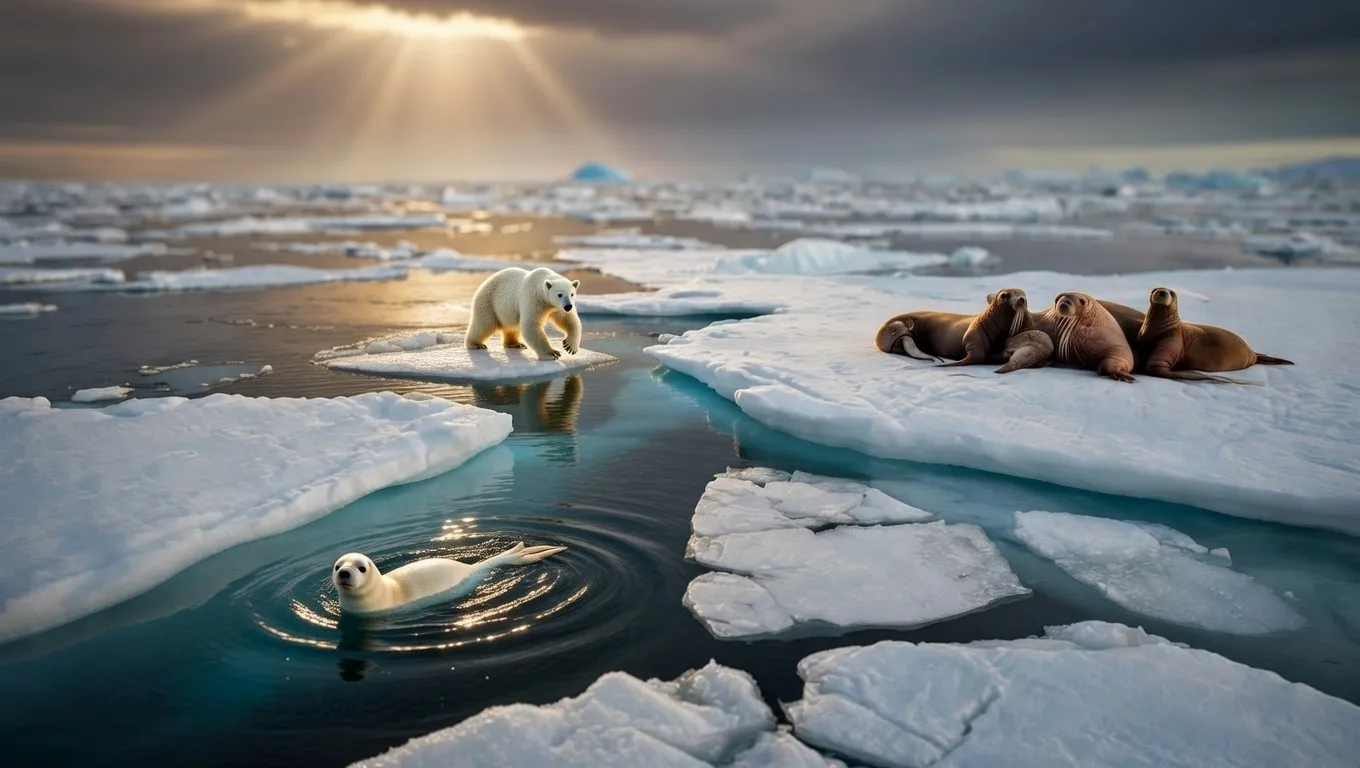
The Arctic region is facing an unprecedented threat as bizarre atmospheric signals have been detected in February 2026, posing a significant danger to Arctic marine mammals. A recent urgent warning issued by a prominent meteorologist has sparked widespread concern among environmentalists and wildlife experts. The warning highlights the potential consequences of these unusual atmospheric signals on the delicate ecosystem of the Arctic, which is already vulnerable due to climate change.
Table of Contents
Introduction to Bizarre Atmospheric Signals
The bizarre atmospheric signals detected in February 2026 are characterized by unusual patterns of temperature and pressure fluctuations in the Arctic region. These signals are unlike anything seen before and have left scientists scrambling to understand their cause and potential impact. According to the meteorologist who issued the warning, "The atmospheric signals we're seeing are not only unusual but also potentially catastrophic for Arctic marine mammals."
Impact on Arctic Marine Mammals
Also Read
Check out more trending news hereThe Arctic region is home to a diverse range of marine mammals, including polar bears, seals, and walruses. These animals are adapted to the harsh, icy conditions of the Arctic and play a crucial role in maintaining the balance of the ecosystem. However, the bizarre atmospheric signals pose a significant threat to their survival. The unusual temperature and pressure fluctuations can disrupt the formation of sea ice, which is essential for the survival of many Arctic marine mammals.
Disruption of Sea Ice Formation
The formation of sea ice is a critical process that occurs in the Arctic during the winter months. However, the bizarre atmospheric signals have disrupted this process, leading to a significant reduction in sea ice coverage. This reduction in sea ice coverage has far-reaching consequences for Arctic marine mammals, including reduced access to food and shelter.
| Species | Impact of Reduced Sea Ice Coverage |
|---|---|
| Polar Bears | Reduced access to hunting grounds and shelter |
| Seals | Disruption of breeding and molting habits |
| Walruses | Reduced access to food sources and resting grounds |
Climate Change and the Arctic Crisis
Climate change is a significant contributor to the Arctic crisis, and the bizarre atmospheric signals are just one manifestation of this broader issue. The Arctic region is warming at a rate twice as fast as the global average, leading to a range of devastating consequences, including sea ice loss, ocean acidification, and changes in ocean circulation patterns.
"The Arctic is a canary in the coal mine for climate change. The changes we're seeing in the Arctic are a warning sign for the rest of the planet." - Dr. Maria Rodriguez, Climate Scientist
Expert Analysis and Quotes
Experts in the field of climate science and wildlife conservation are sounding the alarm about the potential consequences of the bizarre atmospheric signals. According to Dr. John Taylor, a leading expert on Arctic marine mammals, "The impact of these signals on Arctic marine mammals will be severe and long-lasting. We need to take immediate action to mitigate the effects of climate change and protect these incredible animals."
Conclusion
In conclusion, the bizarre atmospheric signals detected in February 2026 pose a significant threat to Arctic marine mammals. The disruption of sea ice formation, reduction in sea ice coverage, and changes in ocean circulation patterns all have far-reaching consequences for the delicate ecosystem of the Arctic. It is essential that we take immediate action to address the climate change Arctic crisis and protect the incredible animals that call this region home.
Sarah Mitchell
Senior Tech Editor bringing you the most accurate breaking news and honest reviews from the tech world.
Leave a Comment